From Hype to Hibernate: The Clubhouse Retention Crisis
A Deep Dive into How the Viral Audio App Lost Its Voice

Remember Clubhouse? The invite-only audio app everyone chased like a golden ticket, which offered live conversations, celebrity drop-ins, and a taste of exclusivity. At its core, Clubhouse was a simple network of live, drop-in audio rooms. You could hop into a chat with founders, comedians, or even Elon Musk. No endless feeds, just voices and real-time conversations.
It came out at the perfect time, during the pandemic, when people were lonely and wanted to connect with others. By early 2021, it seemed unstoppable. In April 2021, the app reached a surprising $4 billion valuation, despite lacking a formal revenue model.
But once the world reopened, the spell broke. With busier lives and shorter attention spans, fewer people had the time to sit in live audio rooms. Competitors like Twitter and Spotify quickly copied the format, and Clubhouse’s glow dimmed. The hype vanished, and so did its users.
Value Proposition
During the pandemic, when people had to stay home, Clubhouse gave people a chance to connect with others. It wasn’t just another app. It was a fun and interactive platform for people to connect.
Here’s how its value proposition captured the moment:
Invite-only exclusivity: This made people curious, gave them FOMO, and made them feel like they were part of something special.
Real-time access to celebrities: It gave people a rare chance to meet and talk with celebrities and other influential people in a casual setting
Effortless participation: Starting or joining a room was just a tap away with no filters or edits..
Diverse communities: From startup founders to comedians, listeners could find or create rooms on almost any topic.
Spontaneous networking: Clubhouse lets you drop in, meet new people, and talk to them without having to schedule a call or event.
Audio experience: Audio interaction created intimacy and presence that posts or reels couldn’t replicate.
User Journey
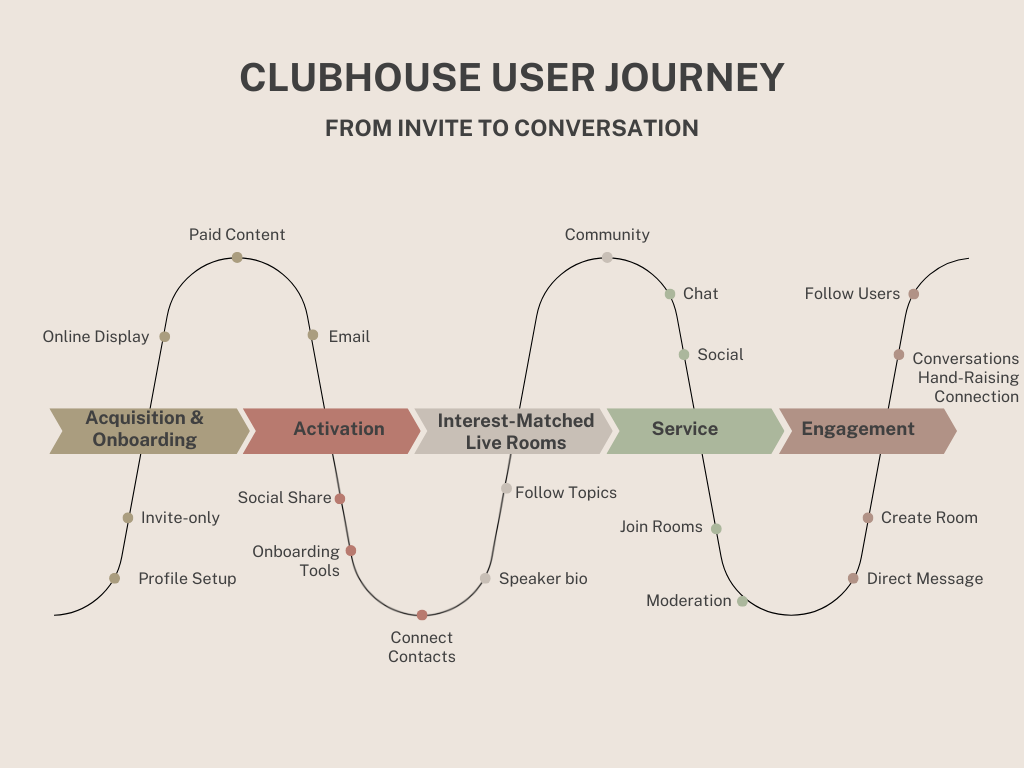
Clubhouse wasn’t just a place to talk online; it was also about the journey each user took. The goal of every step, from receiving an invitation to join the platform to participating in a conversation, was to make the user feel like they were part of something special. The user went through these steps:-
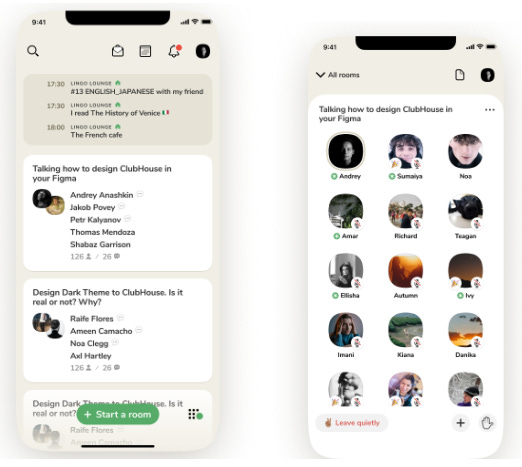
Acquisition & Onboarding: Access wasn’t granted; it was earned. The invite-only model made entry a status symbol, which made users want to know more and spread the word. Once they were invited, onboarding was also seamless. All they needed was a username, a profile photo, and a few interest tags.
Activation: Users were engaged in live conversations within minutes. The app matched interests to active rooms, making them instantly relevant.
Engagement: Every room felt like a chance to connect, whether you were quietly taking in information or raising your hand to speak. The spontaneity, the intimacy, and the wide range of topics made it feel personal and addictive to be a part of.
Important Metrics
One of the important metrics for Clubhouse was its North Star Metric, which was the time users spent in live rooms and the frequency of their participation. This was the core measure of value because the app wasn’t built around likes or shares but around conversations, and how many people joined them and how long they stayed. It had more than 10 million active users every week at its peak in early 2021. Many of them spent more than an hour a day in live rooms.
This high level of interest helped it grow quickly during the pandemic. Downloads went from 2.4 million in January 2021 to 9.6 million in February, and by June, there were more than 29 million downloads. And by 2023, there were more than 40 million downloads worldwide.
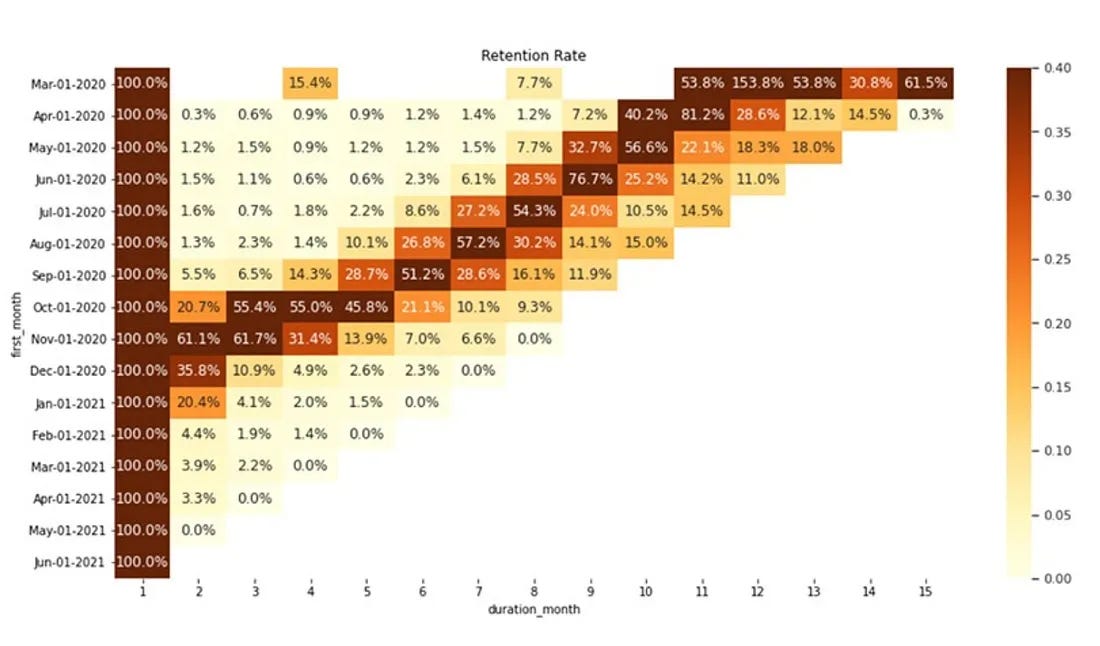
However, the retention chart showed a huge difference between downloads and retention rate. Each new cohort started with 100% participation in their first month, but by months 2–3, it had dropped to 10–20%, and by months 6–7, it was almost 0%. This shows that curiosity drove downloads, but not many users made conversations a regular part of their lives.
Why did Clubhouse fail?
Even though there was a lot of initial excitement and the platform grew quickly, it had trouble keeping up with that momentum and eventually lost a lot of users. There were a number of important reasons for its decline. Here are some of them:
User retention failure: Many people downloaded Clubhouse out of curiosity but didn’t stick around. Users had trouble coming back regularly because conversations were only live, there were no replays, and discovery was weak.
Monetization gap: It took Clubhouse a long time to build a revenue stream due to limited choices for creators and a business model that couldn’t grow.
Competition cloned the idea: Big companies like Twitter, Facebook, and Spotify quickly added similar live-audio features, making Clubhouse less unique.
Exclusivity lost its charm: The invite-only model created early buzz, but once opened, the charm faded. Also, the
Product feature & UX gaps: Slow rollout of features like room recording, analytics, and moderation tools, along with inconsistent content quality, hurt the user experience.
Dependence on pandemic: The need for social interaction during lockdowns drove growth. As restrictions were lifted, users’ attention changed, and the platform didn’t change fast enough.
Takeaways for PMs
The rise and fall of Clubhouse can teach product managers a lot about how to deal with markets that move quickly.
Retention over acquisition hype: Early growth is exciting, but retaining users is far more important than rapid sign-ups.
Need for sustainable Product-Market Fit: Just getting some initial traction isn’t enough, and the product needs to keep evolving to fit with changing user needs and market conditions.
Need for a strong USP: For a product to be successful in the long run, it needs a clear, defensible, and hard-to-copy core value.
Prioritizing monetization: Creating scalable revenue streams early on to ensure the business can keep going and support new ideas.
Continuous innovation & feature rollout: Adding useful features to the product regularly keeps users interested and stops it from getting stale.
Data-driven decision making: Keep track of user feedback, engagement metrics, and churn reasons to take action before things get worse.
Conclusion
Clubhouse’s story is a reminder that virality sparks adoption, but retention ensures survival. The app nailed timing and hype, taking advantage of the loneliness and exclusivity that came with the pandemic to grow quickly and reach a value of billions of dollars. But the initial excitement quickly faded when there weren’t any strong retention levers, a sustainable product-market fit, or a defensible USP.